
Topline Results from Phase 2 ADDRESS-LC Trial of Bezisterim in Long COVID
Topline Results from Phase 2 SUNRISE-PD Trial of Bezisterim in Early Parkinson’s Disease
It's about giving people hope, empowering them to take control of their health, and inspiring them to live their best lives.
Unlocking the science of longevity and beyond to transform the way we live.
Topline Results from Phase 2 ADDRESS-LC Trial of Bezisterim in Long COVID
Long COVID patients with more severe baseline fatigue, post-exertional malaise (PEM), or objective cognitive impairment – symptoms affecting approximately 78% of trial participants in at least one domain – experienced statistically significant improvements in multiple measures corresponding to their most pronounced symptoms.
Bezisterim is the first therapy that we know to have shown an impact on these symptoms in a clinical trial.
An estimated 17–20 million U.S. adults live with Long COVID and currently have no FDA‑approved treatment options
Topline Results from Phase 2 SUNRISE-PD Trial of Bezisterim in Early Parkinson’s Disease
Bezisterim-treated patients with higher systemic inflammation at the start of the trial experienced significant improvements in the Movement Disorder Society–Unified Parkinson’s Disease Rating Scale Part I (non-motor) scores, Part III (motor) scores, and Total Scores.
Bezisterim may be the first therapy to have an impact on both the motor and non-motor symptoms of Parkinson’s Disease.
Therapeutic Areas
BioVie believes that inflammation is central to the development and progression of Alzheimer’s disease. BioVie’s different approach focuses on our novel molecule, bezisterim, currently being studied in people diagnosed with Alzheimer’s disease, and the hypotheses that selective modulation of inflammation, and the enhancement of energy transfer (insulin sensitivity) in the brain, may be able to improve memory and thinking, and may protect against neurodegeneration.
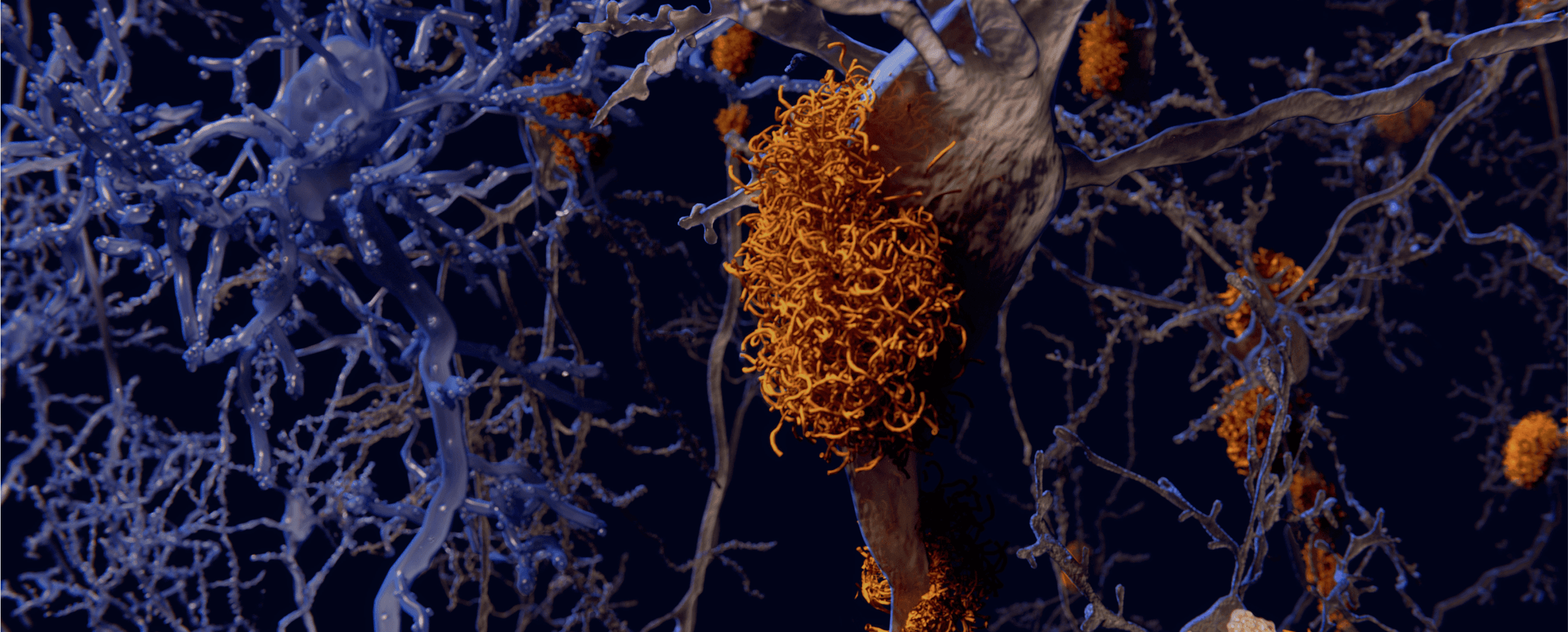
Parkinson’s disease is a neurodegenerative disorder that affects predominately the dopamine-producing (“dopaminergic”) neurons in a specific area of the brain called substantia nigra. Symptoms, which usually begin gradually and increase over time, can include difficulty walking and talking, mental and behavioral changes, sleep problems, memory difficulties, and fatigue.

Long COVID is a condition in which symptoms of COVID-19, the acute respiratory disease caused by the SARS-CoV-2 virus, persist for an extended period of time, generally three months or more. Common symptoms include lingering loss of smell and taste, hearing loss, extreme fatigue, and “brain fog,” though persistent cardiovascular and respiratory problems, muscle weakness, and neurologic issues have also been documented.

We are not only pioneering biotechnological advancements, but also delving deep into the intricacies of our individual genetic codes by measuring DNA methylation, which is an epigenetic mechanism that regulates gene expression by recruiting proteins involved in gene repression or by inhibiting the binding of transcription factor(s) to DNA.

We are at the forefront in the exploration of treatments for ascites, the condition characterized by the excessive accumulation of abdominal fluid. Ascites frequently occurs in cases of advanced liver cirrhosis, which can result from the progression of metabolic dysfunction-associated steatohepatitis (MASH), infection with Hepatitis B & C, alcoholism, and other factors. It’s worth noting that ascites is the most common complication associated with advanced (“decompensated”) liver cirrhosis, and its complications can pose life-threatening risks.

Latest Press Releases
Loading news...
Info for Investors
This website contains forward-looking statements made pursuant to the safe harbor provisions of the Private Securities Litigation Reform Act of 1995 that involve risks, uncertainties, and assumptions that could cause BioVie’s actual results and experience to differ materially from anticipated results and expectations expressed in these forward-looking statements.
For Forward Looking Statements, click here.